Many Finns think of sauna primarily as a winter experience and a "flu killer." After a frosty day, a warm sauna and steamy löyly (sauna steam) feel like an almost perfect combination in the midst of a busy everyday life. In summer, however, the experience is very different. Even if the sauna temperature is the same, the body reacts to it differently, and the atmosphere of the sauna changes with the seasons.
There's something unique about a summer sauna. An open lake view, a warm evening, and the proximity of nature make the sauna experience different from mid-winter. Many find a summer sauna even more refreshing than a winter sauna, even when it's hot outside.
The contrast in temperatures changes
In winter, one of the key elements of a sauna is the strong temperature difference. Outside, it can be twenty degrees below zero, and inside the sauna, eighty degrees Celsius. The body experiences a big change when moving from cold to warm. The humidity of the indoor air also changes in winter, which adds to the contrast.
In summer, the situation is different. The outdoor temperature can be over twenty degrees Celsius, so the body is already warm before entering the sauna. Because of this, the löyly can feel softer and more even. At the same time, one might not stay in the sauna as long as in winter.
Many are surprised by how much the outdoor temperature affects the sauna experience. In summer, saunas often feel more relaxing, and the body doesn't have to adapt to such large temperature fluctuations.
Nature is part of the summer sauna
A special feature of the summer sauna is its environment. In winter, saunas often focus on indoor spaces, but in summer, the sauna extends to the terrace, pier, and beach.
Cooling off in a lake, sea, or swimming pool is an essential part of the sauna experience for many. A short swim between löyly sessions effectively cools the body and makes the next löyly more pleasant.
A summer evening also brings its own atmosphere to the sauna. The bright evening, the sound of birds, and the peace of nature make the experience more comprehensive than just sitting in the sauna.
Breathing feels different
Many sauna-goers notice in summer that breathing feels different than in winter. Warm air often contains more moisture, which affects how the löyly feels when breathing.
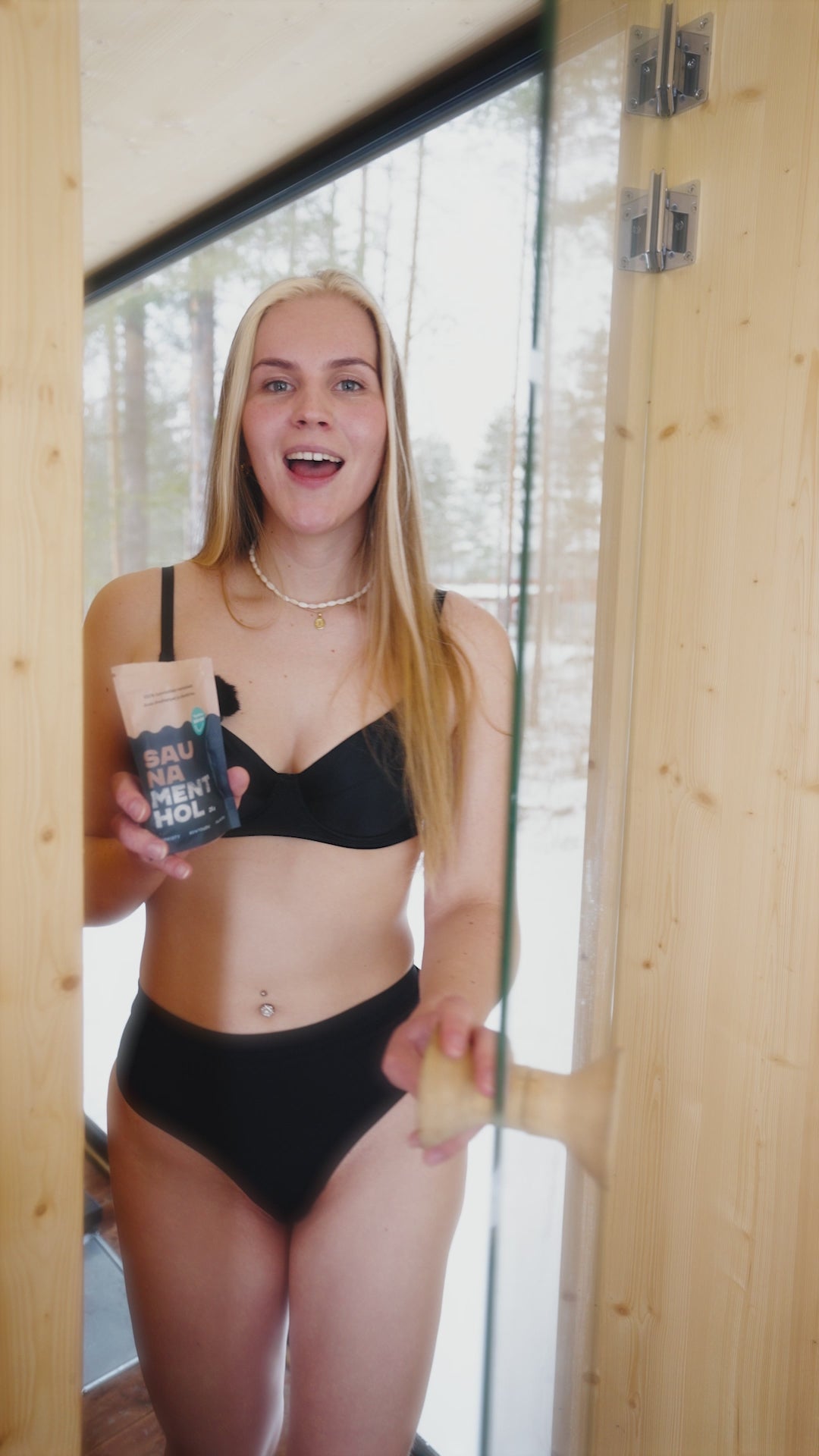
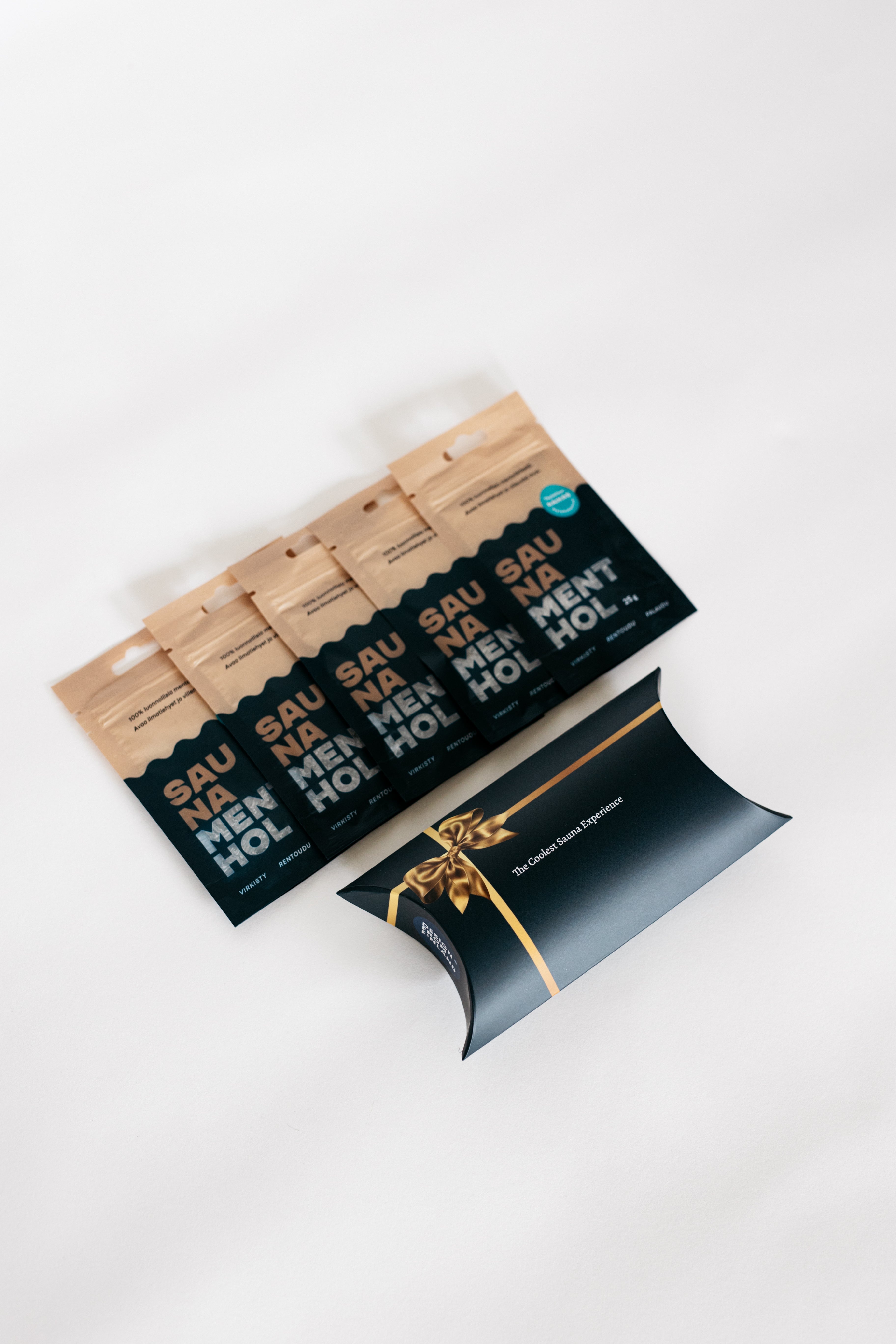
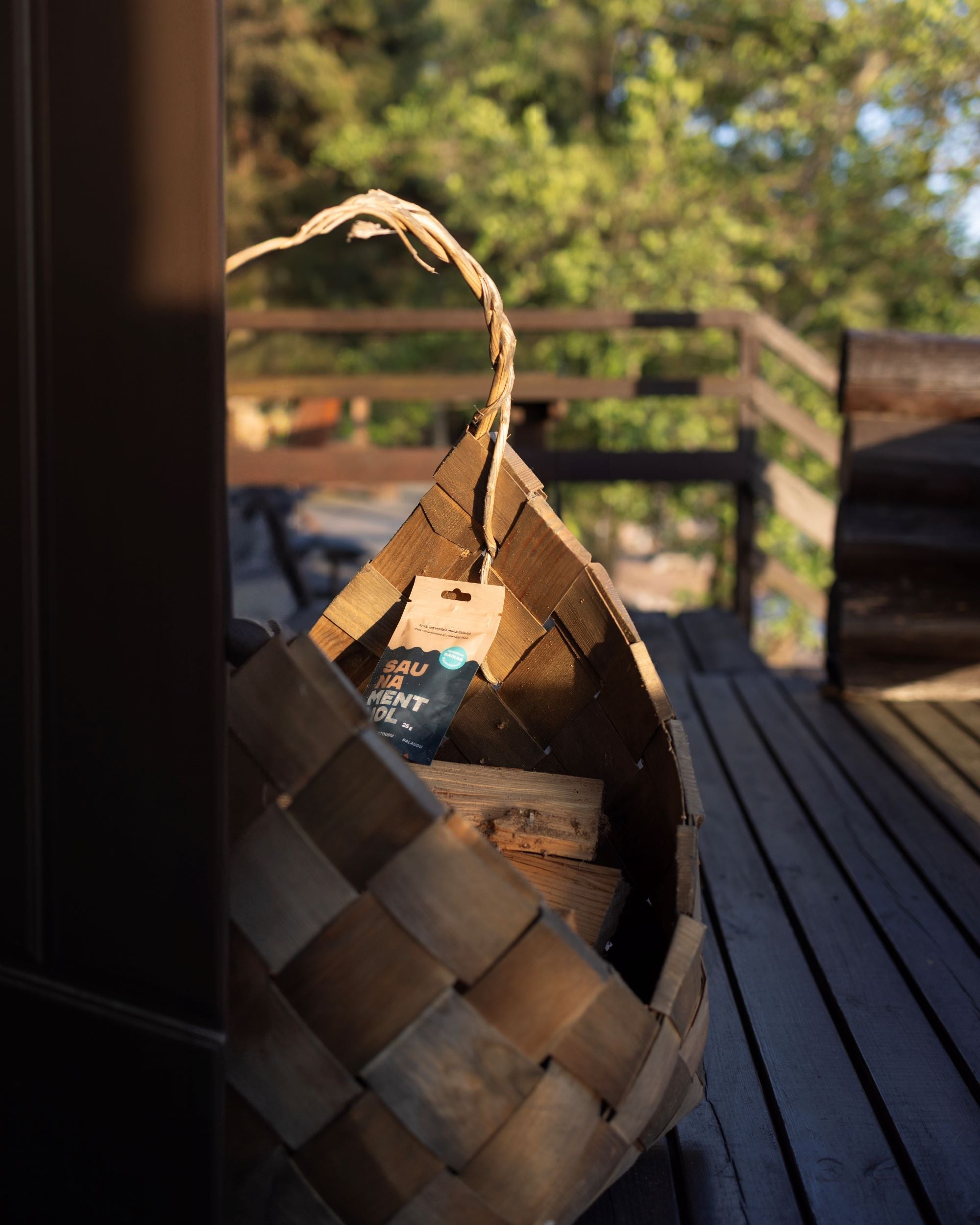
At this point, many use sauna scents or menthol crystals to bring more freshness and atmosphere to the löyly. When menthol vaporizes into the water thrown on the hot stones, it creates a cooling and airway-opening sensation that is especially well-suited for a summer sauna.
On a hot summer day, intensely hot löyly might not always be appealing, but fresh and invigorating löyly can make the sauna experience much more pleasant and a very opening experience.
Summer sauna supports recovery
Summer is an active time. People move more, engage in outdoor activities, and spend time in nature. For this reason, the importance of recovery is also emphasized.
Sauna helps to relax after exercise and provides an opportunity to unwind at the end of a busy day. When combined with light cooling off and adequate hydration, the experience supports overall well-being.
Many athletes and active people use sauna as part of their recovery routines year-round, but especially in summer, the combination of sauna and cool water is often perceived as very pleasant.
The nature of löyly changes in summer
In summer, saunas are often heated to slightly more moderate temperatures than in winter. This results in softer and more humid löyly.
Especially in cottage saunas, many prefer a leisurely sauna experience in summer, combined with socializing with friends, rather than long löyly sessions. The goal is not so much to maximize heat but to relax and enjoy.
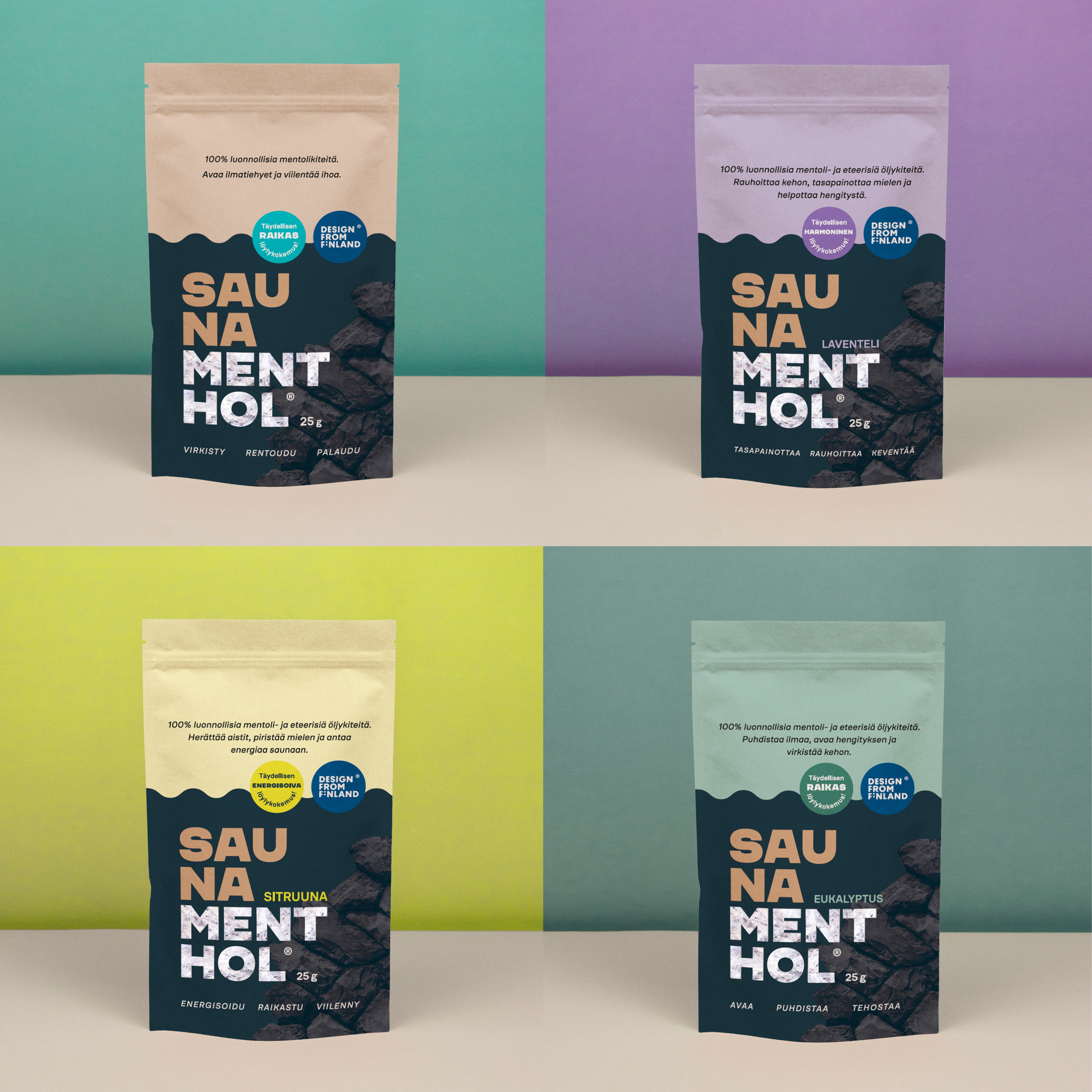
For this reason, various löyly products have also grown in popularity. Scents like eucalyptus, lemon, lavender, and menthol bring new nuances to the löyly and make the sauna experience even more versatile.
The charm of the summer sauna comes from the whole experience
Although the sauna is the same all year round, the season affects it surprisingly much. In winter, the sauna is characterized by intense heat and the contrast of cold. In summer, the focus is on the proximity of nature, brightness, swimming, and a peaceful atmosphere.
This is precisely why many Finns consider the summer sauna to be the best sauna experience of the year. It is not just a warm room but part of a whole that includes the cottage, lake, friends, family, and the Finnish summer.
When a touch of freshness is added to the löyly, for example, with the help of sauna ice, i.e., menthol crystals, the summer sauna can become an even more refreshing and memorable experience.